


Shipping container specifications and dimensions
We can provide a container for just the kind of cargo you have. Browse through the specifications and shipping container dimensions and sizes to find what you are looking for
We can provide a container for just the kind of cargo you have. Browse through the specifications and shipping container dimensions and sizes to find what you are looking for
We often get this question from our customers.
The container size and price for shipping a container may vary by type of cargo. On this page you can find an overview of the different container types, including sizes and dimensions. Most containers can be used across modes of transport e.g., containers for shipping sea freight can also be used for transporting cargo by road.
The dimensions of the container determine the freight rate, and the choice of container and size also depend on the type of cargo and how large a quantity you need shipped. At Blue Water, we have specialists to guide and advise our customers in choosing a container and transport solution.
Although shiping containers have fixed dimensions, there are of course several different types to choose from, ensuring that your type and quantity of cargo match the choice of container. On this page you can find descriptions of 20 'dry containers, 20' open top containers, 20' flat rack containers, 20' reefer containers, 40' dry containers, 40’ dry high-cube containers, 40' reefer high-cube containers, 40' open top containers, 40' flat rack containers and 45' dry high-cube containers.
The size of the containers is standardised worldwide to ensure high efficiency when handling onboard ships, in ports and onshore. With standard shipping container dimensions, it is possible for all cargo ships to stack the containers safely no matter where in the world they are picked up. The standard containers are also called ISO containers due to the flexible and multimodal applications provided by the International Organization for Standardization.
Please note! Container dimensions are a guideline only. For exact dimensions and container directions, please contact Blue Water. Containers for heavy cargo are available on request.
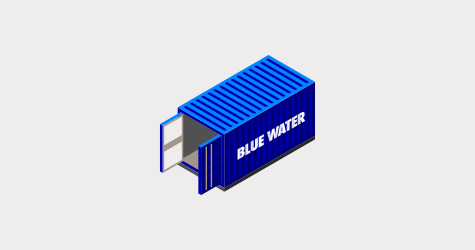
Length: 5.90 m
Width: 2.35 m
Height: 2.39 m
Door width: 2.34 m
Door height: 2.28 m
Max payload: 28.20 t
Capacity: 33 cbm
Max EUR pallets: 11
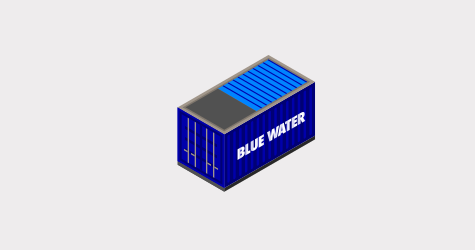
Length: 5.90 m
Width: 2.34 m
Height: 2.35 m
Door width: 2.29 m
Door height: 2.25 m
Max payload: 28.20 t
Roof opening: 5.68 x 2.25 m
Capacity: 32 cbm
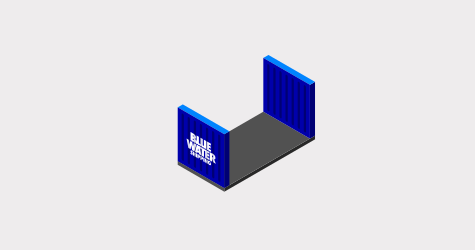
Length: 5.97 m
Length (inner): 5.70 m
Width: 2.36 m
Height: 2.24 m
Max payload: 27.15 t
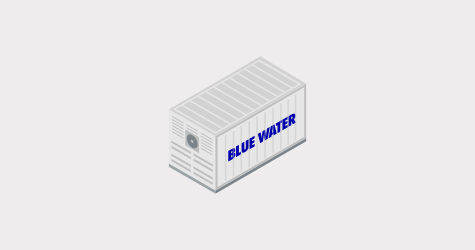
Length: 5.45 m
Width: 2.29 m
Height: 2.25 m
Door width: 2.29 m
Door height: 2.24 m
Max payload: 27.49 t
Capacity: 28 cbm
Max EUR pallets: 10
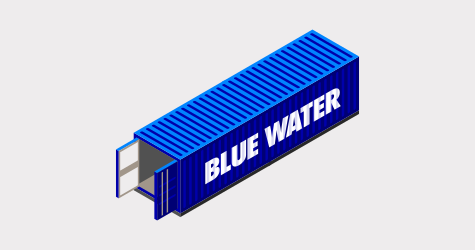
Length: 12.03 m
Width: 2.35 m
Height: 2.39 m
Door width: 2.34 m
Door height: 2.28 m
Max payload: 28.80 t
Capacity: 67 cbm
Max EUR pallets: 25
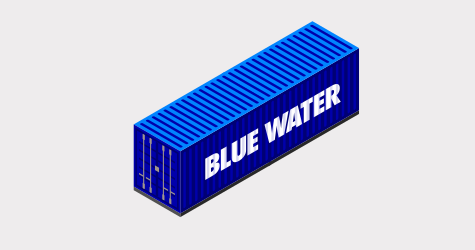
Length: 12.03 m
Width: 2.35 m
Height: 2.70 m
Door width: 2.34 m
Door height: 2.58 m
Max payload: 28.62 t
Capacity: 76 cbm
Max EUR pallets: 25
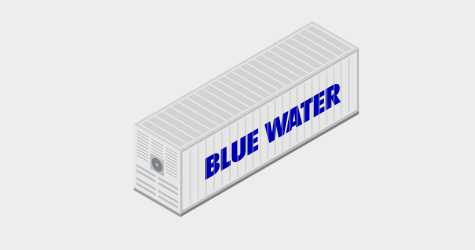
Length: 11.58 m
Width: 2.29 m
Height: 2.50 m
Door width: 2.29 m
Door height: 2.50 m
Max payload: 28.35 t
Capacity: 67 cbm
Max EUR pallets: 23
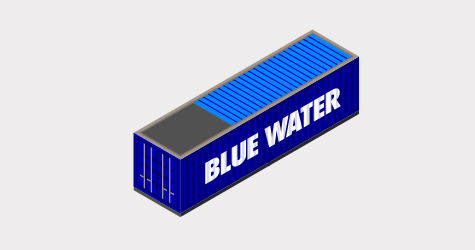
Length: 12.03 m
Width: 2.34 m
Height: 2.35 m
Door width: 2.29 m
Door height: 2.25 m
Max payload: 26.60 t
Roof opening: 11.81 x 2.22 m
Capacity: 64 cbm
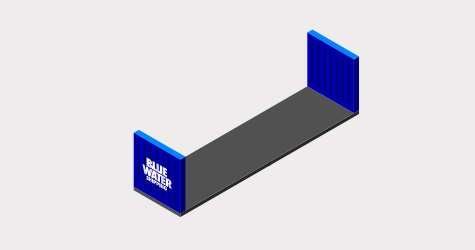
Length: 12.06 m
Length (inner): 11.66 m
Width: 2.37 m
Height: 2.28 m
Max payload: 39.30 t
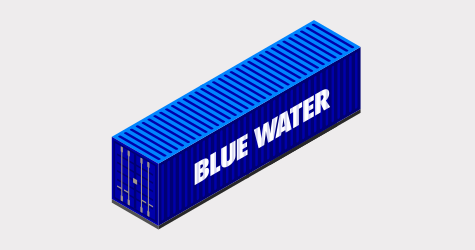
Length: 13.56 m
Width: 2.35 m
Height: 2.70 m
Door width: 2.34 m
Door height: 2.58 m
Max payload: 27.60 t
Capacity: 85 cbm
Max EUR pallets: 27
Choosing the right shipping container is not only a matter of size. The best container type depends on your cargo dimensions, weight, loading method, temperature requirements and final destination.
A standard dry container is often the right choice for general cargo that can be loaded through the container doors. If your cargo is too tall, too wide or needs to be loaded from above, an open top or flat rack container may be more suitable. For temperature-sensitive goods, a reefer container helps maintain the required temperature throughout the transport.
Before selecting a container, it is important to consider:
Container specifications and dimensions are useful for planning, but the right transport solution may also depend on route, carrier availability, local regulations and handling requirements. Blue Water’s specialists can help assess your cargo and recommend a suitable container and transport setup.
For all container types, standard container transport is based on “shipper’s load, stowage, weight and count”. This means that the shipper is responsible for loading, sealing, lashing and stowing the cargo inside the container, as well as ensuring that the declared weight and count are correct. The cargo must be properly secured and the container must be evenly balanced. This differs from road freight, where the haulier typically secures the cargo on the truck, and air freight, where cargo is secured on flight pallets.
A 20-foot shipping container is often used for smaller shipments or heavy cargo where weight is the limiting factor. A 40-foot container provides more space and is typically used when volume is more important than weight.
For many shipments, the choice between a 20-foot and a 40-foot container depends on whether your cargo reaches the container’s weight limit or fills the available space first. Dense cargo such as machinery, metal parts or raw materials may be better suited for a 20-foot container, while lighter and more voluminous goods may benefit from a 40-foot container.
High cube (HC) containers provide additional height and are often used for cargo that requires more vertical space. They can be a good option for lightweight, bulky goods or cargo loaded on taller pallets.
Both 20’ DC and 40’ HC have “lashing rings” in the bottom and top of the containers.
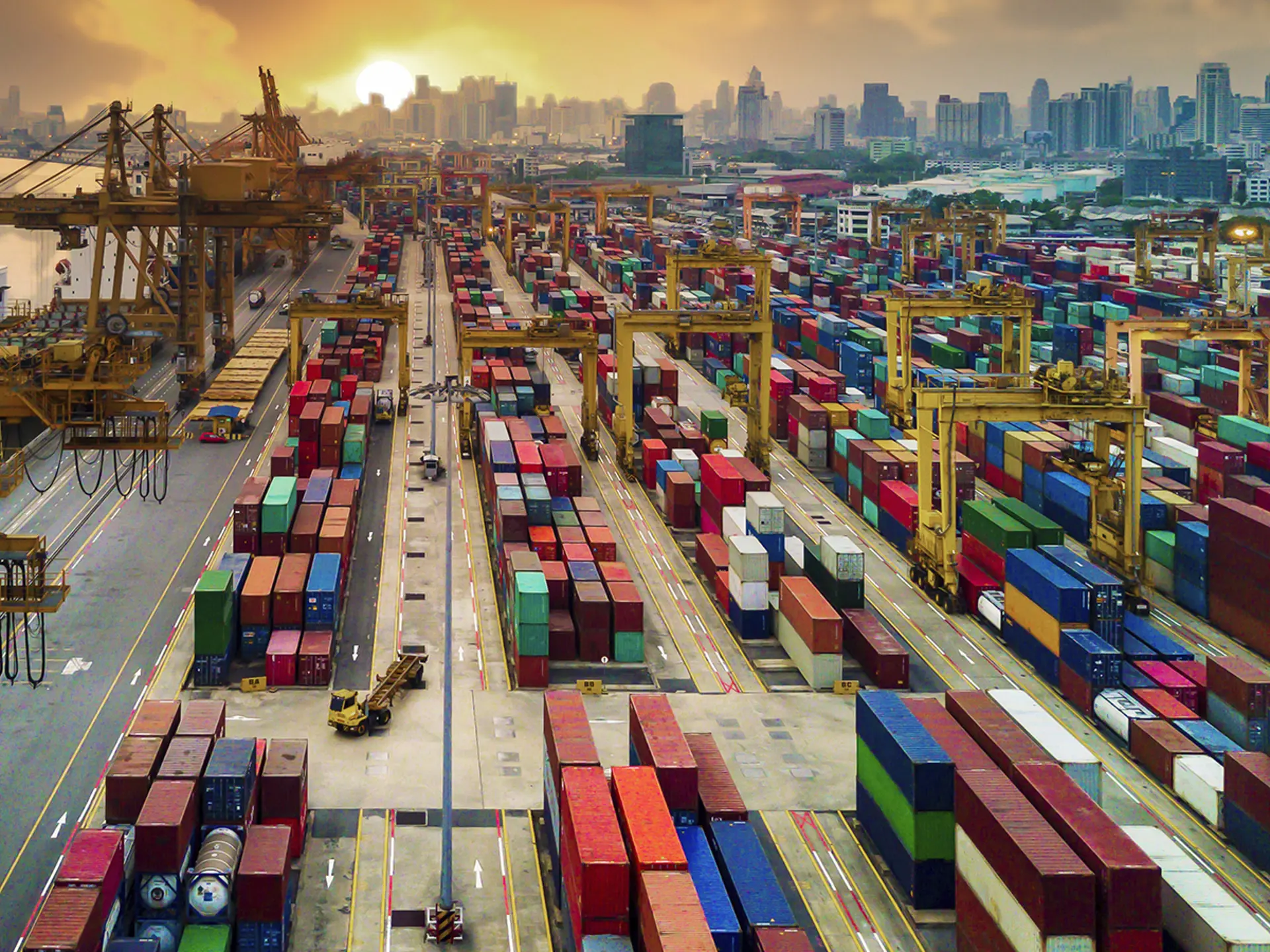
Not all cargo fits into a standard dry container (DC). Some shipments require special equipment to ensure safe and efficient handling.
Open top containers are suitable for cargo that is too tall to fit through standard container doors or needs to be loaded from above by crane.
Flat rack containers are used for heavy, oversized or irregularly shaped cargo. They are often suitable for machinery, industrial equipment and cargo that exceeds the width or height of a standard container.
Reefer containers are designed for temperature-controlled transport. They are used for goods such as food products, pharmaceuticals and other cargo that must be kept within a specific temperature range
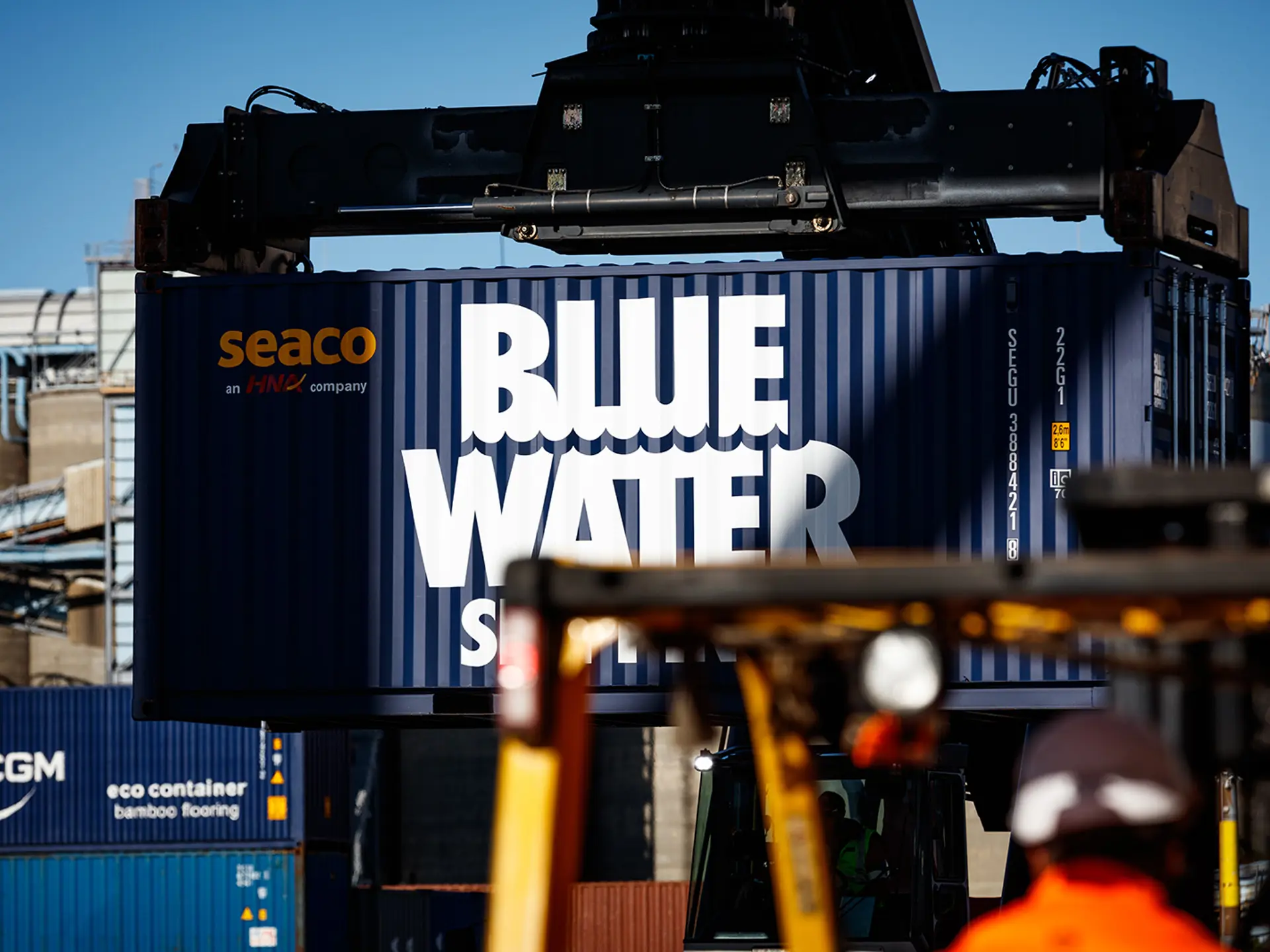
Container dimensions may vary slightly depending on container manufacturer, age and equipment type. Payload, tare weight and capacity should therefore always be checked before booking, especially for heavy, oversized or temperature-sensitive cargo.
If you are unsure which container type is right for your shipment, our sea freight specialists can help you evaluate the best option based on your cargo, route and delivery requirements.
Standard shipping containers are built according to international standards, making them suitable for use across ships, ports, trucks and rail networks. The most common sizes are 20-foot and 40-foot containers, but high cube, open top, flat rack and reefer containers are also widely used depending on the cargo type.
A 20-foot container is typically used for smaller or heavier shipments, while a 40-foot container is used when more loading space is required. The right choice depends on whether your cargo is limited by weight, volume or handling requirements.
A high cube container (HC) is suitable when your cargo requires extra height. It is often used for lightweight, bulky cargo or goods loaded on taller pallets. High cube containers are especially common in 40-foot and 45-foot versions.
A dry container (DC) is used for general cargo that does not require temperature control. Typical cargo includes packaged goods, machinery, components, textiles, consumer goods and raw materials.
An open top container is used for cargo that cannot easily be loaded through standard container doors or needs to be lifted into the container from above. This can include tall machinery, industrial cargo or other goods with unusual dimensions.
A flat rack container is used for heavy, oversized or irregularly shaped cargo. It is often used for machinery, vehicles, steel structures and project cargo that does not fit inside a standard container.
A reefer container is used for temperature-controlled cargo. It helps maintain a specific temperature during transport and is commonly used for food products, pharmaceuticals and other sensitive goods.
The number of pallets that fit in a container depends on the container size, pallet type and loading method. EUR pallets and standard pallets have different dimensions, which affects how many can be loaded. The container specifications on this page provide an indication of pallet capacity for each container type.
Yes, container dimensions can vary slightly depending on manufacturer, age and equipment type. For this reason, dimensions, payload and capacity should always be checked before booking, especially for cargo with limited clearance or high weight.
Yes, standard ISO containers are designed for multimodal transport and can be used across sea, road and rail. This makes them efficient for international supply chains where cargo needs to move between different transport modes.
The right container depends on your cargo size, weight, loading method, temperature requirements and transport route. If you are unsure, Blue Water’s specialists can help assess your shipment and recommend a suitable container and logistics solution.
Scroll to top