


Local customs expertise
We handle your customs documents to ensure that your cargo will arrive without any delays or problems

We handle your customs documents to ensure that your cargo will arrive without any delays or problems
Customs handling of import and export shipments is part of our core services. We want our clients to know that their cargo is in safe hands with us. We take care of all document handling, which can be a tricky affair as customs rules and regulations vary from one country to another, and that may even be the case within the EU.
Whether your cargo are live animals, reefer products, FCL/LCL, large-scale industrial cargo or something else, we have the experience, know-how and in-house competencies to ensure the correct customs process. The correct way of handling the customs clearance is essential as it may save costs and prevent delays in the release process.
Our customs specialists are AEO-certified to work with customs, ensuring that we provide the best service to our clients. At our offices worldwide, we have local customs experts who know the local legislation, conditions and rules.
We value continuous training and education highly, as the customs area is constantly developing. We want to provide guidance and assistance through skilled and up-to-date specialists. This is how we guarantee our clients that our standards are always high.


We can also provide assistance if you need help with private customs handling if for instance you are moving to another country.

Our offices worldwide have local customs specialist offering extensive knowledge of local laws and regulations.
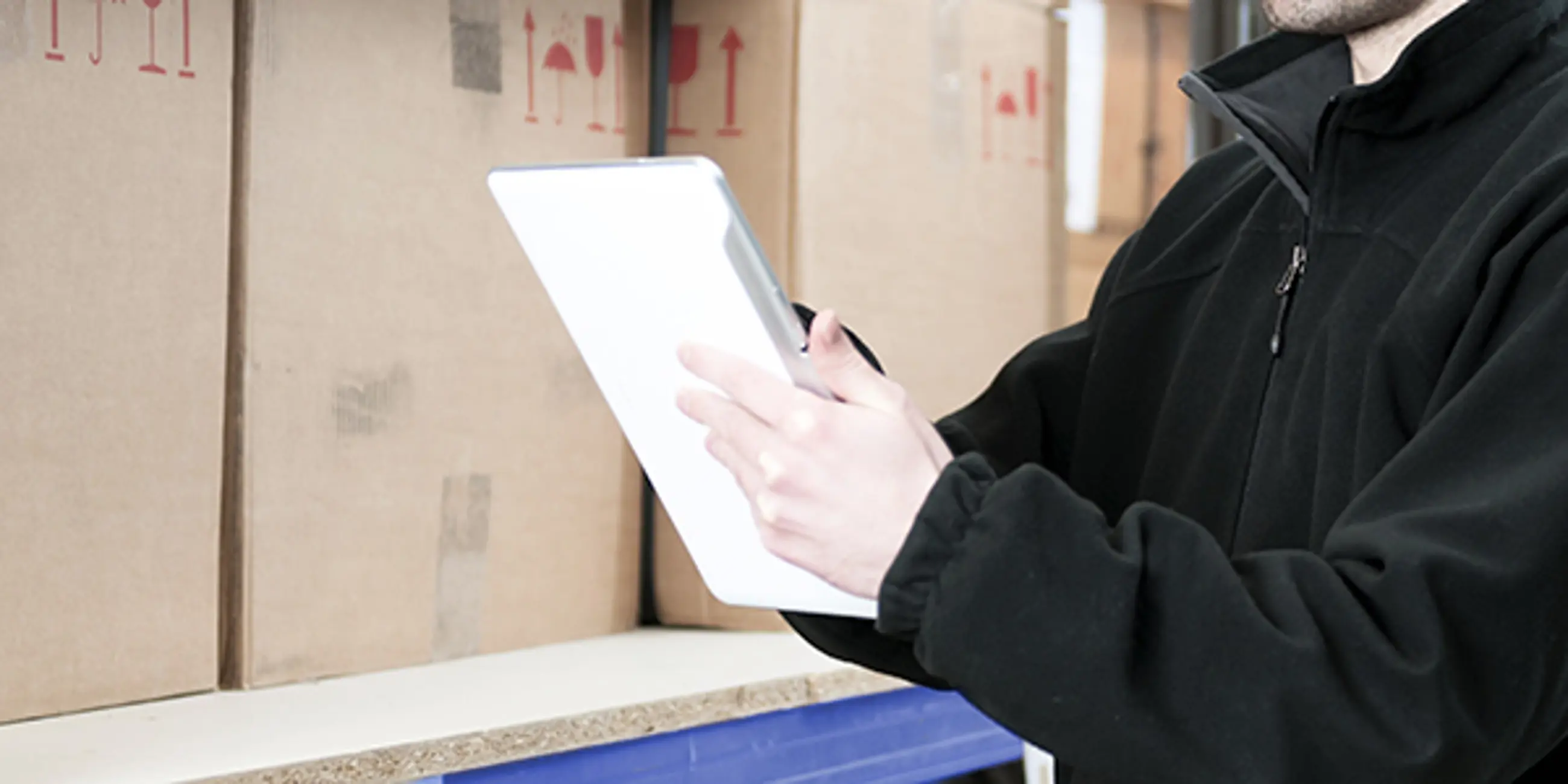
Several of our locations offer bonded warehousing solutions. Contact your local office to find out how we can help you.
Handling customs documents is a complex procedure. We set our sights high and expect our customs specialist to handle documentation without mistakes. We cannot afford and we do not accept mistakes as it may end up becoming a costly affair for us and not least for our clients.
This is one of the reasons why we only employ dedicated specialists in our customs department – they do not accept mistakes either. We want to solve our clients' customs challenges by providing high quality in our service.

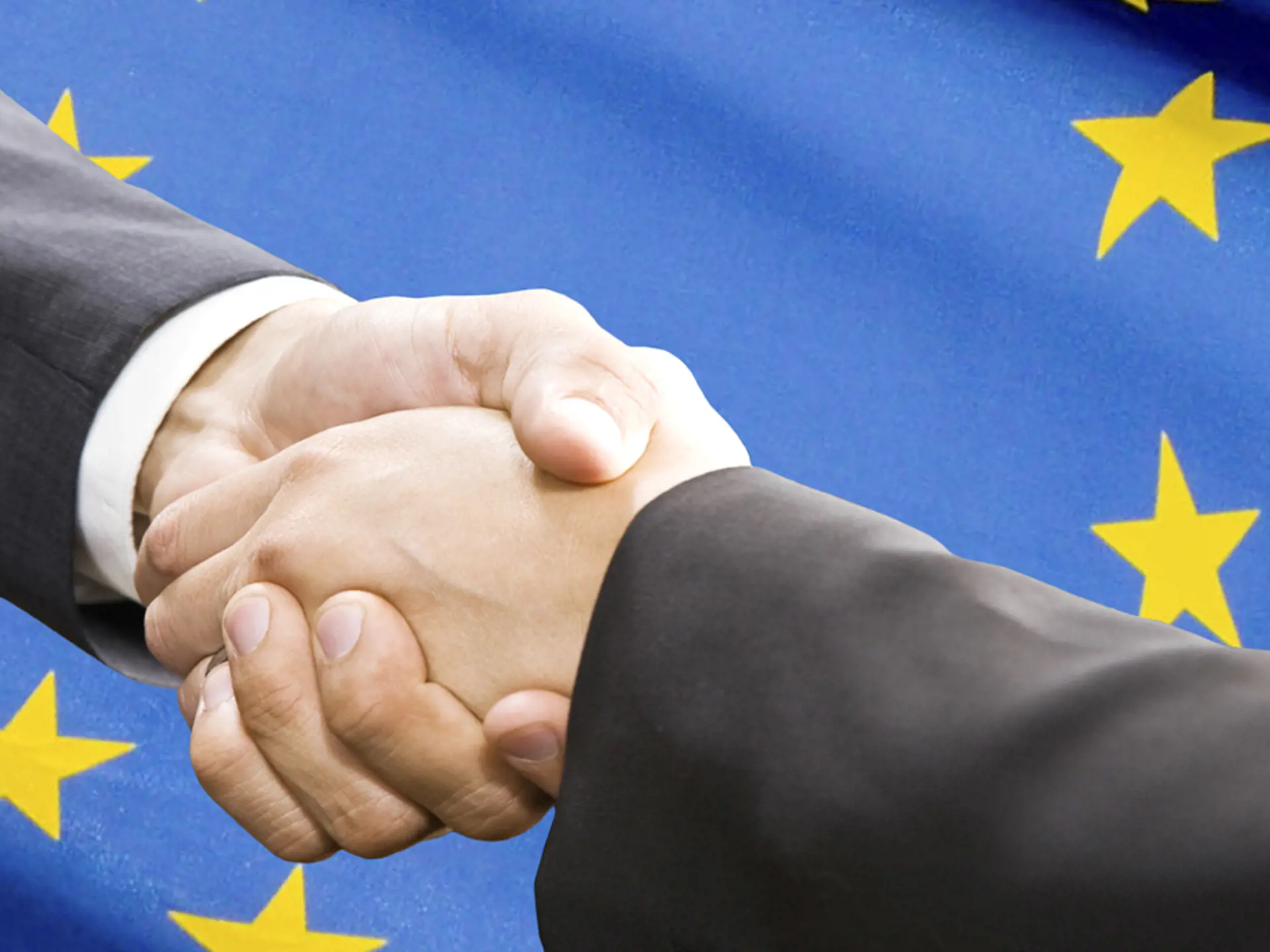
The European Commission negotiates free trade agreements between EU and countries outside EU on behalf of Denmark. Bilateral free trade agreements complement the global free trade agreements negotiated in the World Trade Organisation WTO.
The primary purpose of EU’s free trade agreements is to improve European business enterprises’ access to important markets outside EU for the benefit of the export trade. Also, the free trade agreements give European companies access to import cheaper as well as a larger variety of products from countries outside EU.
Click below to see exactly which countries EU has negotiated free trade agreements with.
Algeria
Argentina
Armenia
Australia
Azerbaijan
Bangladesh
Belarus
Brazil
Cambodia
Canada
Chile
China
Egypt
Faroe Islands
Georgia
Hong Kong SAR
Iceland
India
Indonesia
Iran
Iraq
Israel
Japan
Jordan
Kazakhstan
Laos
Lebanon
Libya
Malaysia
Mexico
Moldova
Morocco
Myanmar
New Zealand
Norway
Pakistan
Palestine
Paraguay
Philippines
Russia
Singapore
South Africa
South Korea
Sri Lanka
Switzerland
Syria
Taiwan
Thailand
Tunisia
Turkey
Ukraine
United Kingdom
United States
Venezuela
Vietnam
Source: policy.trade.ec.europa.eu
A customs broker is usually required whenever goods are imported or exported across an international border and a customs declaration is needed.
They prepare and submit the necessary documentation, classify goods using the correct tariff codes and calculate applicable duties and taxes. They also help to ensure that shipments comply with customs regulations. They also act as a point of contact with customs authorities if additional information or inspections are required.
While some businesses manage customs formalities themselves, many use a customs broker to reduce the risk of delays, incorrect declarations and compliance issues, particularly when shipping internationally or handling complex customs requirements.
A customs clearance delay occurs when a shipment cannot be released by customs as planned. This can happen at import, export or transit points and may extend the overall transit time.
Common reasons for customs delays include:
Many customs delays can be avoided by ensuring that all documentation is complete and accurate before the shipment arrives at the customs border.
The time required for customs clearance depends on the country of destination, the type of goods, the accuracy of the documentation and whether the shipment is selected for inspection by customs.
Shipments that are straightforward and have complete documentation may be cleared within a few hours or on the same day. More complex shipments or those requiring inspections or additional documentation may take several days.
Factors that can affect customs clearance times include:
Providing accurate documentation and customs information before the shipment arrives can help to reduce the risk of delays.
The documents required for customs clearance vary depending on the country and the type of goods being imported or exported. The most commonly required documents, however, include:
Depending on the product, its value and applicable trade regulations, customs authorities may request additional documentation. Providing complete and accurate documentation helps to ensure efficient customs clearance and reduces the risk of delays.
Contact us if you need answers to customs related questions. Use the formular and we will get back to you.


Logistics solutions designed to meet the requirements of the aerospace industry

Logistics to units providing humanitarian aid to disaster areas

We do cargo and passenger full charter operations worldwide

Facilitating cargo insurance through recognised insurance company

Customs formalities including customs clearance of goods

Coordination and transport for exhibitors to/from trade fairs worldwide
Logistics to national defence forces, military industries and NGOs

Health, Safety, Security, Environment and Quality requirements

IT solutions tailored to satisfy the clients’ needs
We provide mining logistics covering capital projects and mine supply globally

Transport solutions to the North Atlantic region by sea, road and air
Port-related services to vessels in connection with port calls

Blue Water is a world-leader and pioneer in the renewable energy industry

Loading/discharging of vessels including cargo planning and securing
Cutting-edge engineering solutions to out-of-gauge cargo and project shipments
Experts in chartering of any kind of vessels for any purpose
Scroll to top