


Solar Energy Logistics
We provide transport and logistics solutions specially designed to meet the requirements of the solar industry

We provide transport and logistics solutions specially designed to meet the requirements of the solar industry
The transport of solar energy equipment requires expertise and extensive understanding of the solar energy industry. Blue Water is a world-leader and pioneer in the renewable energy industry.
With 30 years of dedication to renewable energy services out of our 50 years of global freight forwarding experience, we have the experience and solutions you need to transport your solar equipment, panels, and components from production through final-mile delivery safely and efficiently.
We provide full-service from pre-shipment inspections to assistance in export and import permissions, tax exemptions, cargo waivers, customs clearance and other critical processes.
We ensure safe loading and unloading, and we can supervise your cargo before, during and after the transport. Since the mid-nineties, Blue Water has been involved in renewable energy logistics all around the world and can display a long track record of world-class projects.

Our work begins before we pick up your goods, with close dialogue as we plan the best logistics solution for your project. We anticipate the logistic forecast, planning, packing design and container optimisation.

We offer various warehousing solutions, as well as inventory control – ranging from checking and verification of cargo and labeling line-item check. With our Warehouse Management System, you can control operations.

Our IT various systems are customised to fit your needs. They serve as a tool for handling and monitoring every single step of the transport, ranging from Purchase Order Management to Local Custom and Project Cost Control.

We offer complete export packing services for both sea and air freight. Our export packing is in compliance with international regulations and requirements and prepares your cargo for international transit.

Our customers obtain access to both FCL and LCL solutions and our skilled teams will be able to offer specialist guidance to any destination. We also offer shipping of non-containerised cargo aboard break bulk vessels and roll-on/roll-off vessels.

Planning air transport requires special knowledge of the capacity of the different aircrafts and cargo. As a registered IATA agent, we work directly with approved airlines, ensuring our clients the requested capacity and service on commercial flights.

We offer various road logistics solutions. We take care of numerous road shipments per year. Whether you need a domestic or international road transport for your full truck load, we can arrange and deliver your cargo when and where you wish.
We handle more than freight forwarding. Whether your equipment is coming in containerised or on a break bulk vessel, we have the teams, processes and systems to receive and account for your solar equipment.
With access to warehouses and the versatility of Blue Water’s Warehouse Management System and Compass tracking system, your equipment inventory is accurate and visible from initial receipt to final-mile deliver at the project site.
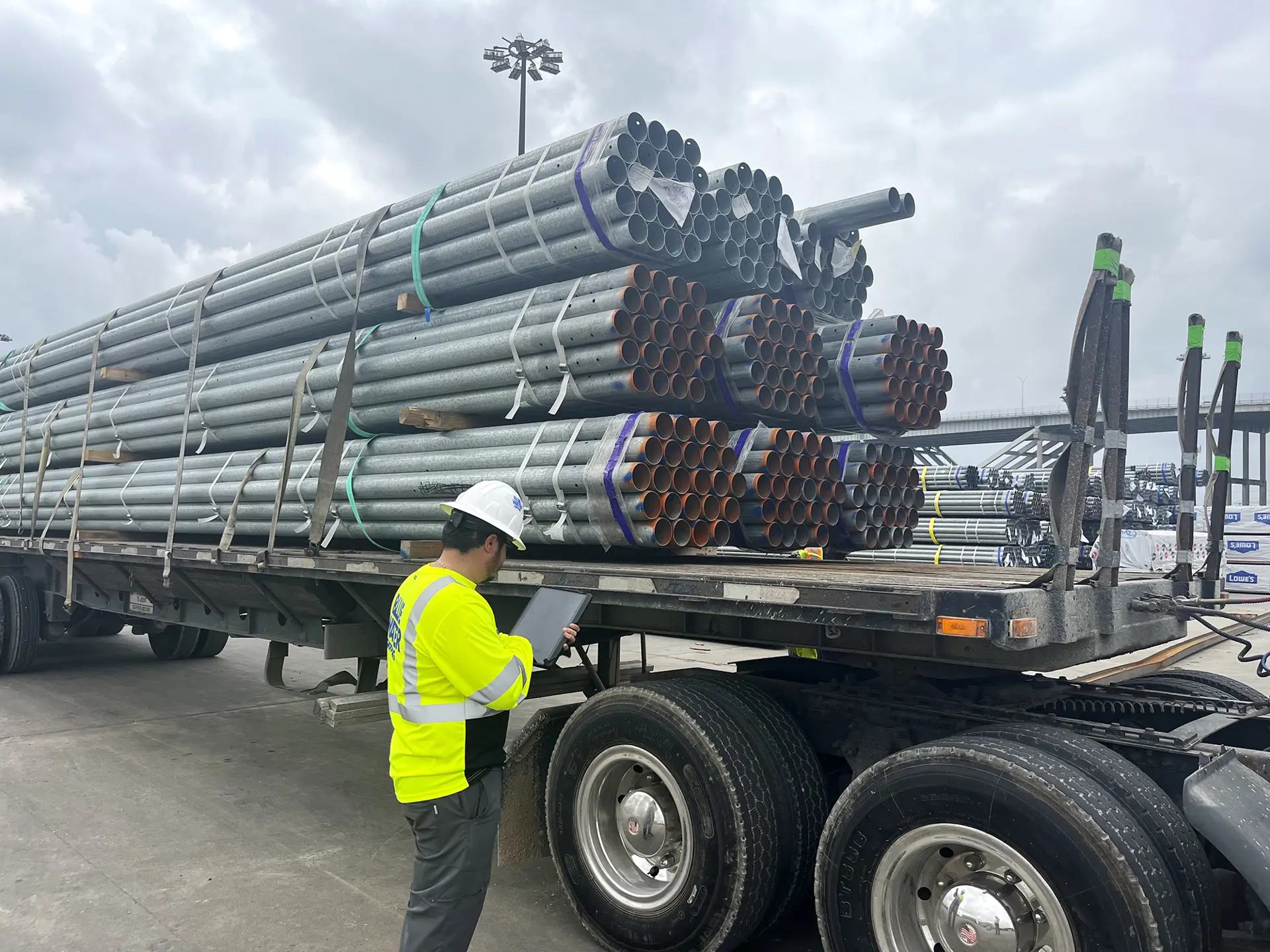
Our IT systems are customised to fit specific markets and serve as a tool for handling and monitoring every single step of the transport. You can book your transports online and have a full overview of the cargo - we take care of the rest.
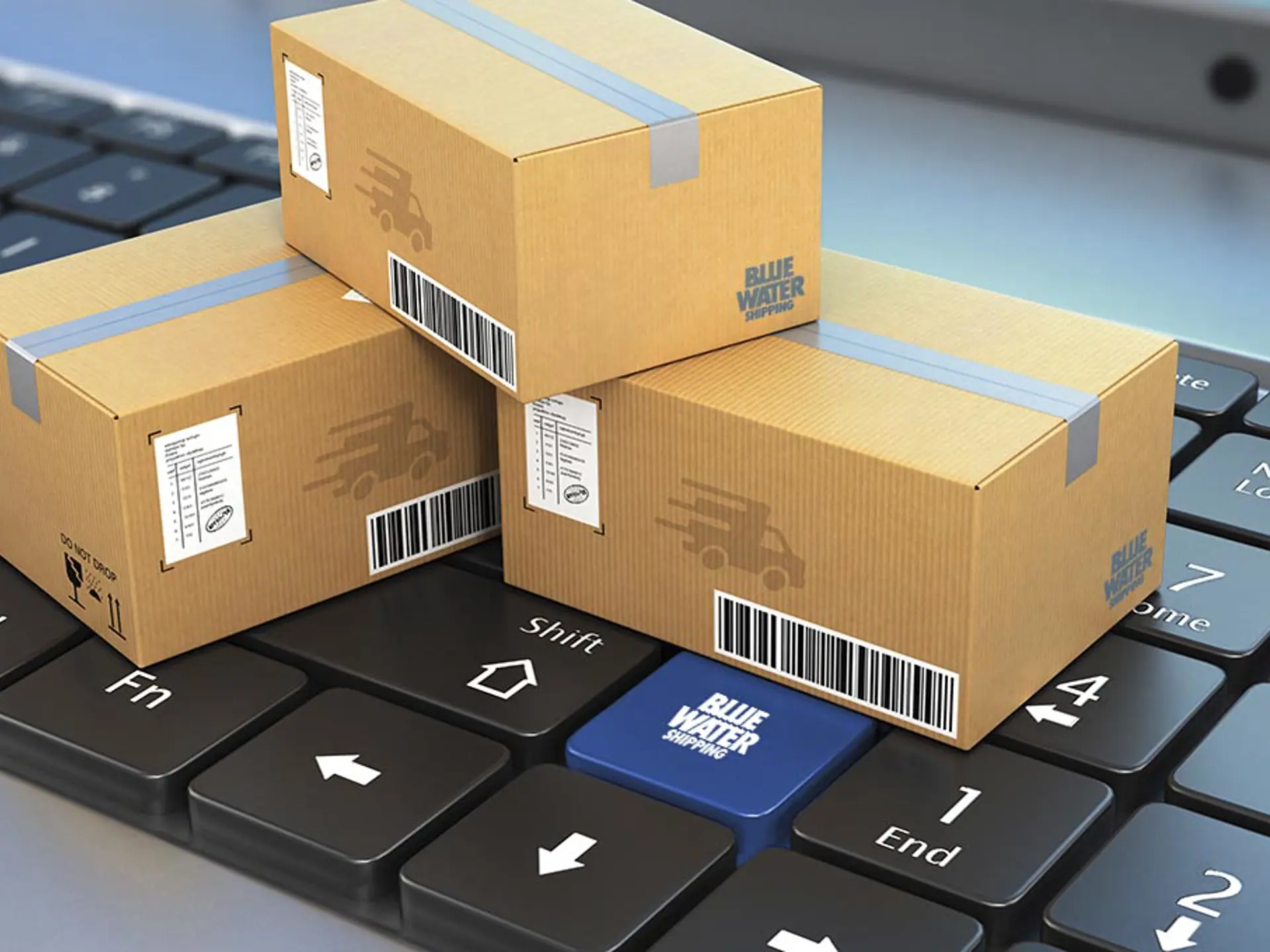

Alternative fuels with reduced carbon emissions and optimisation methods exist for all transport modes.
By choosing alternative fuels instead of fossil fuels or turning up the efficiency within the value chain, it becomes possible to reduce the CO₂ emissions by up to 90%, making a real difference in terms of environmental impact.
When choosing to inset, you obtain:
Reduction of CO₂ emissions
Supply chain optimisation
Certified reductions

Carbon offsetting is used to balance out emissions by paying for emission savings in other supply chains or sustainability projects. However, this method does not reduce emissions led into our atmosphere. Still, offsetting can support certified climate or carbon removal projects outside the transport activity. It does not reduce the emissions generated by the transport itself.
When choosing to offset, you obtain:
The purchase of emission reductions through e.g. reforestation
Supporting Sustainability and Carbon Removal projects
Certified compensation
Renewable energy logistics is the planning, transportation, storage and handling of equipment used in renewable energy projects, including solar, wind, hydroelectric and battery energy storage systems.
The sector involves managing the movement of components such as solar panels, mounting structures, inverters, transformers, batteries and electrical equipment from manufacturers to construction sites. Renewable energy logistics often combines sea, air, road and rail transport with customs clearance, warehousing, heavy lifting and on-site delivery.
Because renewable energy projects are typically delivered to fixed construction schedules, effective logistics planning is essential to ensure equipment arrives safely, on time and in the correct installation sequence.
Solar panels are typically transported in protective packaging using road, sea, rail or air freight, depending on the shipment size, destination and project timeline.
For international shipments, solar panels are usually packed on pallets or in specialised crates and loaded into shipping containers to protect them from moisture, vibration and impact during transit. Large utility-scale solar projects often involve transporting thousands of panels, together with mounting systems, inverters, transformers and other electrical components.
As solar panels are fragile, careful packaging, secure loading and appropriate handling procedures are essential to minimise the risk of damage throughout the transport process.
Shipping solar panels internationally requires careful coordination between manufacturers, carriers, customs authorities and project teams.
The process typically includes:
For utility-scale solar projects, shipments are often scheduled in phases to match the installation programme, reducing the need for long-term storage and ensuring equipment is available when required.
Solar energy projects require a combination of transport, project logistics and supply chain services to move equipment from manufacturers to the installation site.
Typical logistics services include:
Large solar projects often involve deliveries from multiple suppliers in different countries. Coordinating these shipments ensures materials arrive in the correct sequence, helping to maintain construction schedules and reduce project delays.
Solar energy logistics involves coordinating large volumes of equipment across international supply chains while meeting fixed construction deadlines.
Common challenges include:
Early logistics planning, accurate documentation and close coordination between suppliers, transport providers and construction teams help reduce risks and keep solar energy projects on schedule.
Global Head of Solar


Logistics solutions designed to meet the requirements of the aerospace industry

Logistics to units providing humanitarian aid to disaster areas

We do cargo and passenger full charter operations worldwide

Facilitating cargo insurance through recognised insurance company

Customs formalities including customs clearance of goods

Coordination and transport for exhibitors to/from trade fairs worldwide

Logistics to national defence forces, military industries and NGOs

Health, Safety, Security, Environment and Quality requirements

IT solutions tailored to satisfy the clients’ needs

We provide mining logistics covering capital projects and mine supply globally

Transport solutions to the North Atlantic region by sea, road and air

Port-related services to vessels in connection with port calls

Blue Water is a world-leader and pioneer in the renewable energy industry

Loading/discharging of vessels including cargo planning and securing

Cutting-edge engineering solutions to out-of-gauge cargo and project shipments

Experts in chartering of any kind of vessels for any purpose


Scroll to top