Designing flexibility into complex module transportation
Case
When transporting some of the largest modules for Yinson Production’s AGOGO FPSO project, the challenge was not simply their sheer size. Vessel selection remained open, module loads varied significantly and project conditions continued to change, meaning the engineering could not be built around one fixed transport setup.

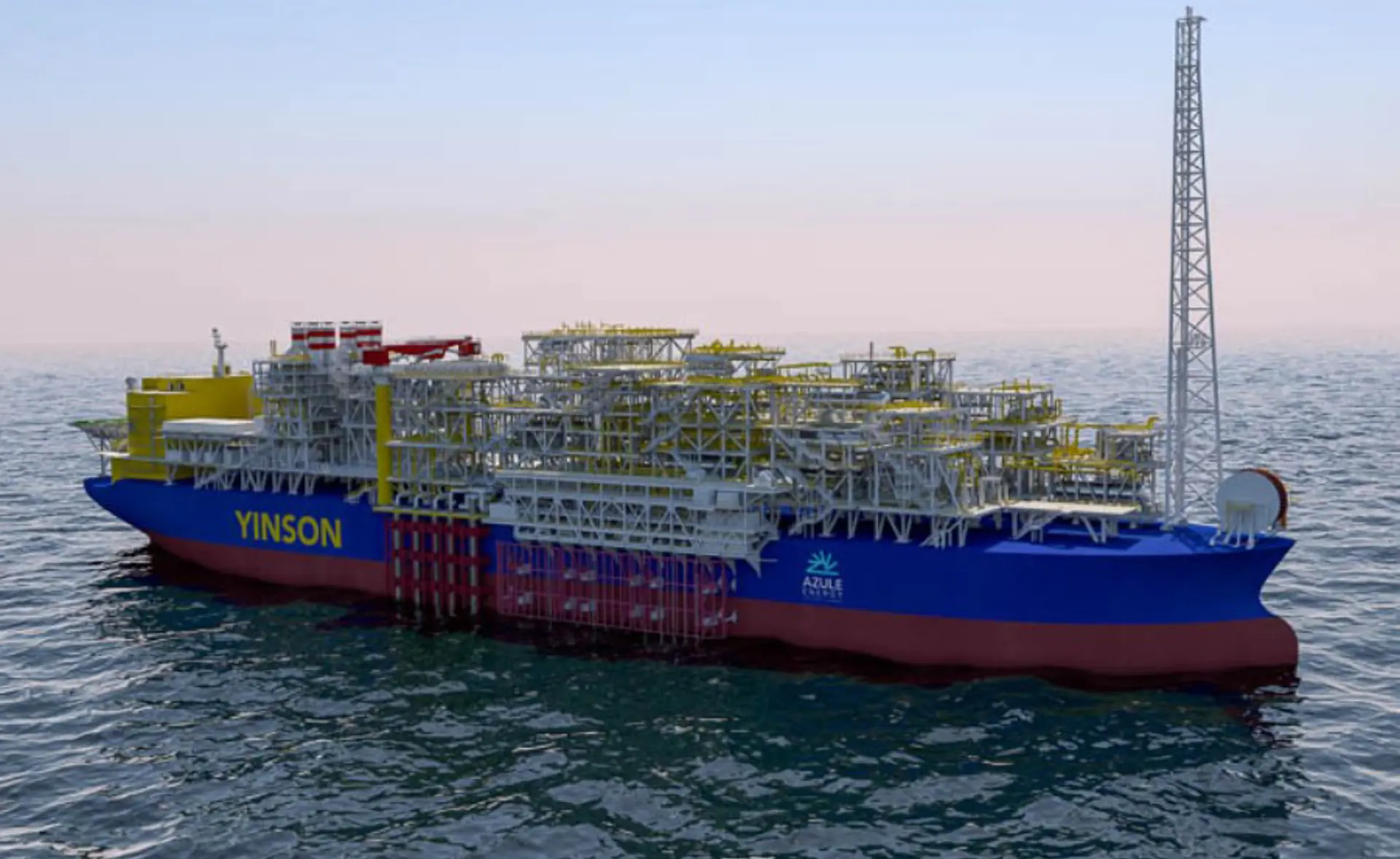
Blue Water was appointed to transport 15 topside modules for Yinson Production’s AGOGO FPSO project. The modules were transported from fabrication yards in Asia as part of five shipments, with the heaviest module weighing approximately 2,800 tonnes. One of the main engineering challenges emerged before the modules ever moved: the vessels had not yet been selected.
Availability, cost and timing all played a role in vessel selection, while each vessel also had to meet several technical requirements. Deck capacity, water depth, tidal conditions and ballast capacity all had to be considered, including whether the vessel could maintain a level position with the jetty during the RoRo operation.
The engineering could therefore not be built around one specific vessel.
Designing for more than one vessel
The team carried out feasibility studies for multiple vessels while developing a grillage system designed to transfer the forces from the modules safely to the vessel deck. The system was designed with flexibility in mind, allowing the same basic design to be used across different vessels and adapted to modules with different weights and load conditions. It was also designed to simplify installation and reduce the amount of material and time required for sea-fastening.
The solution also had to account for significant differences in how forces from the modules would be transferred to the vessel. Loads from a single module across the individual grillages could vary from 50 to 540 tonnes, meaning the forces were far from evenly distributed across the cargo footprint. The team therefore had to analyse how those loads would transfer through the grillage system and into the vessel deck. By considering these conditions early, the engineering team could develop a solution that supported vessel selection while keeping the operation as simple and cost-efficient as possible.