Importing from China: How UK SMEs can avoid costly mistakes

Blog

... the objective is not to become an expert in Incoterms, customs procedures, freight markets or inland transport. It is to make the right commercial decisions without having to build that expertise in-house.

For UK businesses sourcing products in China, getting the goods from factory to warehouse can look relatively straightforward. But for small and medium-sized importers without an in-house logistics team, decisions made before the goods even leave the supplier can have significant consequences for cost, lead time and cash flow.

Freight markets have been highly volatile in recent years, with spot rates sometimes changing significantly from one week to the next. For smaller importers, this makes planning particularly important. The lowest price at the time of purchase does not necessarily result in the lowest landed cost once the goods arrive in the UK.

Understanding who controls the transport, planning the journey early and considering customs and import costs before the goods are ready can help businesses avoid expensive surprises along the way.
Know who controls your shipment

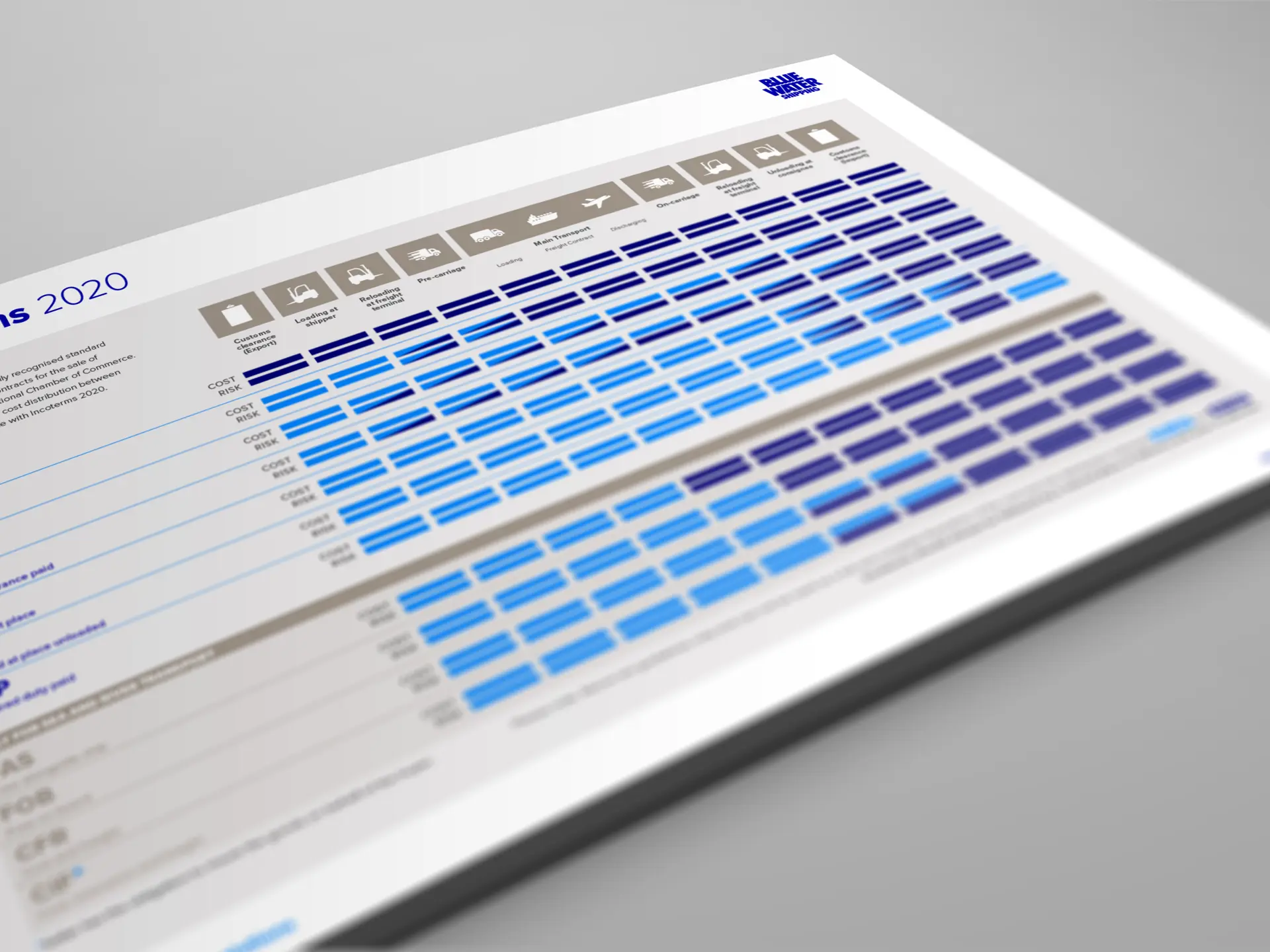
One of the first decisions an importer makes is also one of the most important: agreeing the Incoterms with the supplier.

Chinese exporters may offer Cost and Freight (CFR) or Cost, Insurance and Freight (CIF) terms. These can appear convenient because the supplier arranges the main transport to the port of destination. For an inexperienced importer, however, that convenience comes with a trade-off: less control over how the goods actually get there.

The supplier may select the carrier, vessel and routing, which means the buyer has limited visibility over the journey and little influence if plans change along the way. A shipment may, for example, be delayed at a transshipment hub during its journey to the UK, leaving the importer waiting for goods without having had control over the routing in the first place.

For many UK SMEs, negotiating Free on Board (FOB) can provide greater control. Under FOB terms, the Chinese supplier is responsible for getting the goods cleared for export and loaded aboard the nominated vessel. From that point, the buyer takes on the risk while gaining greater control over the international transport together with their logistics partner.

This also makes the freight cost itself more transparent. Rather than having transport arranged by the supplier and potentially incorporated into the price of the goods, the importer can see what they are paying for freight and make decisions based on the actual market.

What are Incoterms?

BLOG POST

When businesses around the world trade with each other, they face a number of questions: Who will pay for shipping? When does the risk of the goods shift from the seller to the buyer? Who handles customs clearance?

Planning early gives you more options

Control matters beyond knowing which vessel your goods are being transported on. It also gives businesses time to make decisions before they become urgent.

Once cargo reaches the UK, it still needs to travel from the port to its final destination. Depending on the shipment and required lead time, this could involve rail, carrier haulage or merchant haulage, each with different implications for price, speed and reliability. Planning this before the vessel arrives gives the importer time to select the solution that fits the business rather than simply the solution that is available at the time.

The shipping line takes full responsibility for transporting containers by road from the port to the shipper's premises. The primary advantages are seamless end-to-end convenience and having a single point of contact for the entire journey. There is also a significantly lower risk of incurring costly port storage (demurrage) or late container return (detention) fees. Shippers also benefit from the carrier’s substantial purchasing power, which often secures highly competitive rates for intermodal transport across road and rail networks.

The shipper or freight forwarder is responsible for organising and managing the inland transport of containers, independently of the ocean liner. The primary advantages include full control over routing and schedules, the flexibility to select trusted local hauliers, and the ability to negotiate customised land rates directly. This hands-on approach enables businesses to optimise their supply chain timing, respond swiftly to sudden changes and potentially save money by seeking out the most favourable domestic freight deals.

The same principle applies to the international journey. If goods are needed urgently and there is no longer enough time to wait for the next sea freight departure, businesses may be forced to move them by air at a substantially higher cost. Planning early keeps more options open and allows decisions to be based on the needs of the business rather than urgency.

With Blue Water involved from an early stage, the importer can plan the journey from the supplier in China through to final delivery in the UK. Shipment visibility and ongoing communication also mean the business knows where its goods are and can react early if schedules change.

UK import costs go beyond the freight rate

For smaller businesses, another important part of the equation is cash flow. Goods entering the UK may be subject to Customs Duty and import VAT, creating costs that need to be considered alongside the purchase price and freight rate.

A Duty Deferment Account (DDA) allows eligible import charges to be paid monthly rather than separately as each consignment enters the country. Blue Water can provide access to its UK duty deferment facilities as part of the customs setup, helping businesses avoid having to establish the same infrastructure themselves.

For VAT-registered businesses, Postponed VAT Accounting (PVA) can provide another cash-flow benefit. Rather than paying import VAT upfront and reclaiming it later, eligible importers can account for the import VAT through their VAT return.

For an SME, these may look like technical customs details. In practice, however, they can significantly affect how much working capital is tied up in bringing products into the UK. Getting the customs setup right from the beginning can therefore be just as important as negotiating the freight rate.

Bring logistics into the conversation before the goods are ready

Timing is important. A freight forwarder can arrange transport once the goods are sitting at the factory, but by that point several of the decisions affecting the shipment have already been made. The supplier has been selected, the Incoterms have been agreed upon, production dates are set and the business may already have committed to delivery dates for customers in the UK.

Involving your logistics partner early gives Blue Water’s specialists the opportunity to advise on the complete setup: from the terms agreed with the supplier and the international voyage to customs clearance, UK distribution and final delivery.

For a UK SME importing from China, the objective is not to become an expert in Incoterms, customs procedures, freight markets or inland transport. It is to make the right commercial decisions without having to build that expertise in-house.

By bringing Blue Water into the process early, businesses can establish a supply chain with greater visibility over costs, cargo and lead times, while keeping time and resources focused on the products, customers and growth of their UK business.

Importing from China?

Contact our experts

You know what you need from China.
We know how to get it here.