Keeping major projects on track: A Project Director’s views on cost, risk and delivery
Blog
Project logistics decisions shape project outcomes. Allen David, Managing Director, Southeast Asia, explains why early engagement matters and what customers should expect from a reliable logistics partner.

Q1: Where do major projects most often underestimate logistics and when should the logistics team become involved?
Allen: Major projects often bring logistics into the conversation too late. As equipment designs evolve, seemingly small changes to dimensions, weight, centre of gravity or lifting points can completely change how the cargo needs to be transported.
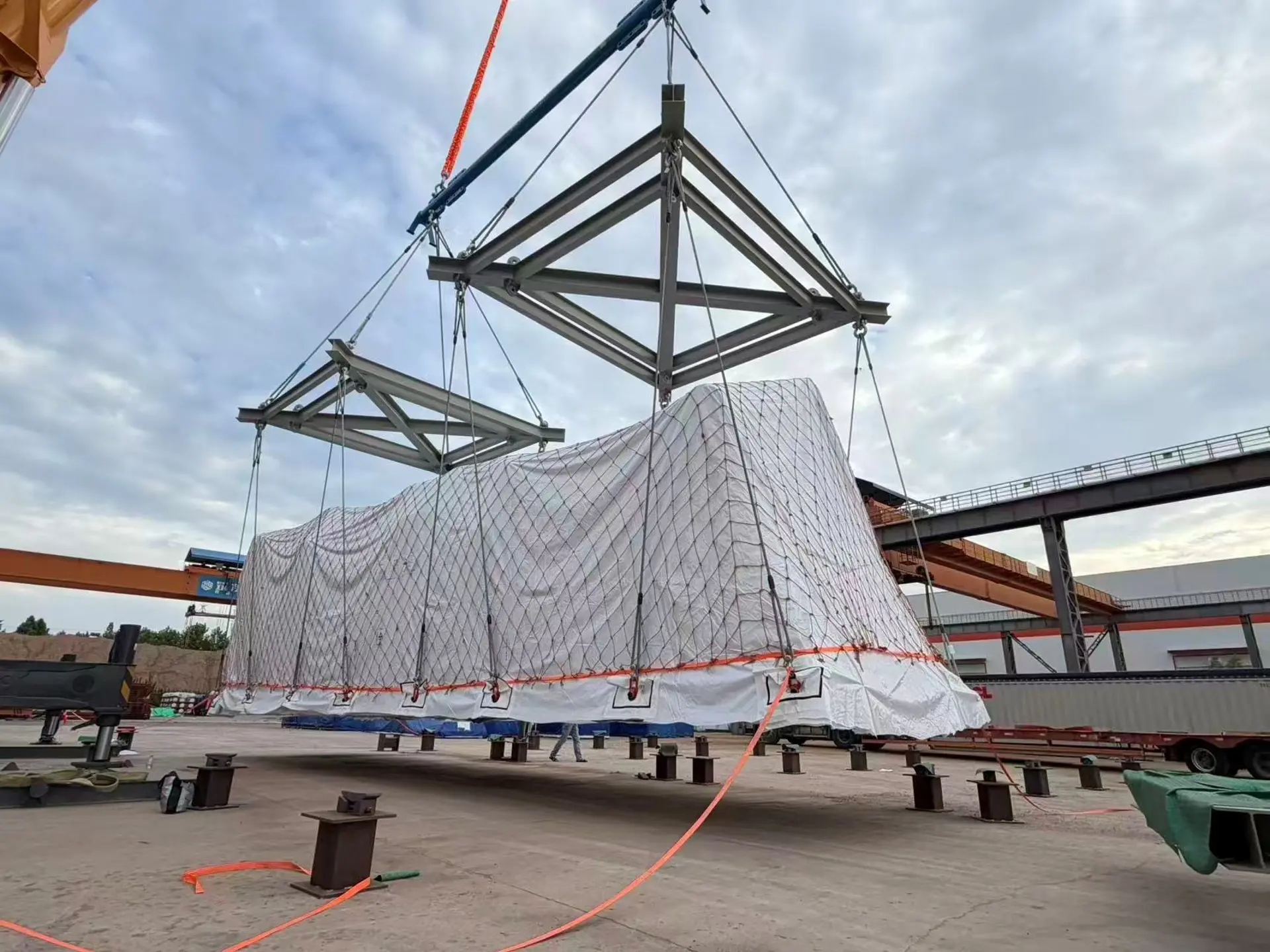
These details determine which ports, vessels and cranes can be used, as well as how the cargo should be lifted, secured and discharged safely. A lifting method that works at the factory may not be accepted at the port. Incorrect centre-of-gravity information can also affect everything from rigging and vessel stability to sea-fastening calculations. Local conditions such as water depth, tides and road clearances add another layer of complexity.
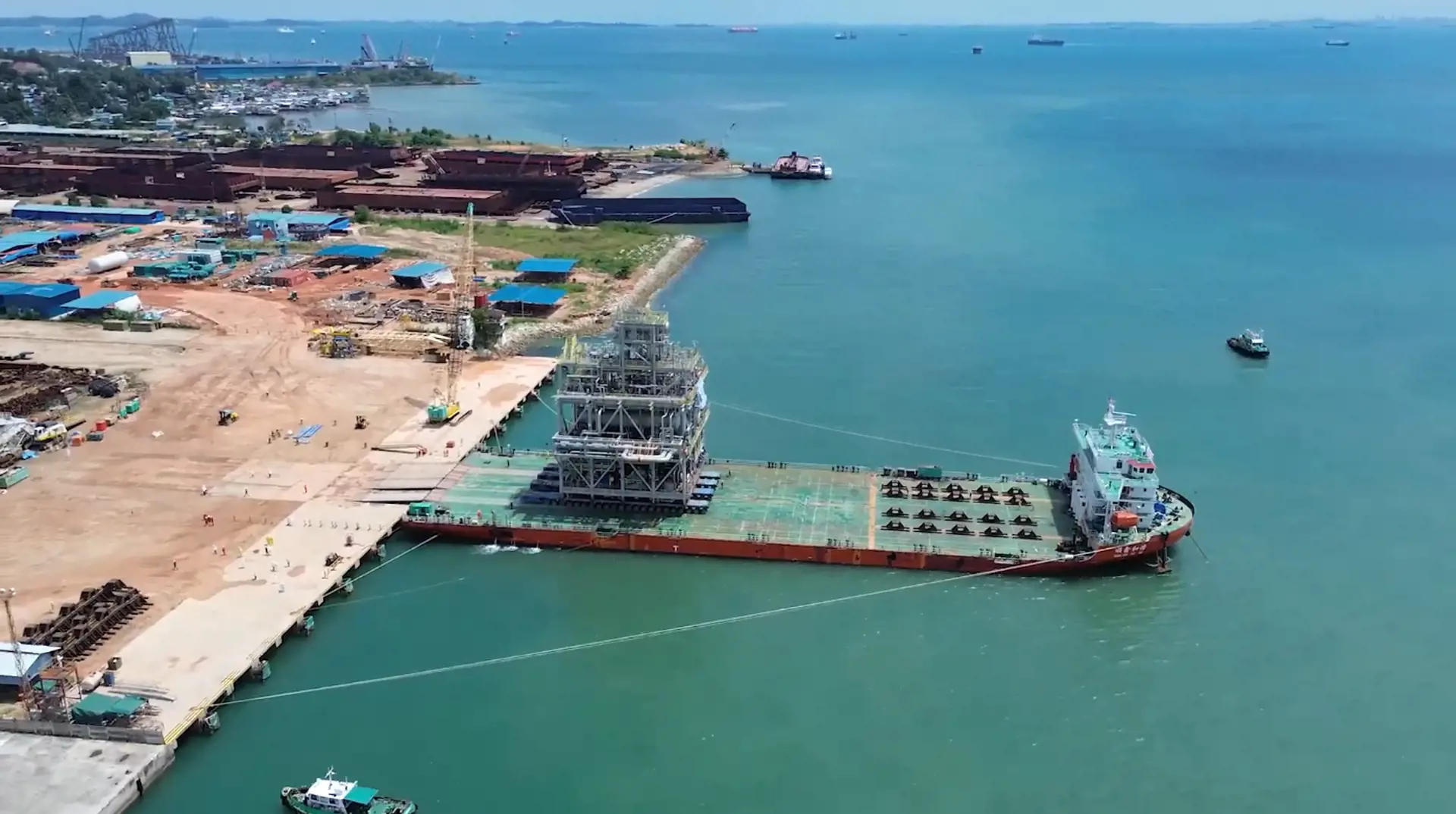
A recent FPSO project provides a strong example of what early logistics involvement can achieve. Blue Water transported large topside modules from fabrication yards across Asia. Our Technical Engineering team worked closely with the client and port terminals to align the engineering calculations, port capabilities, lifting requirements, vessel configuration and marine conditions from the planning stage.
The Blue Water project team designed innovative modular grillages that could accommodate the modules’ irregular support loads and be adapted for use across different vessels. Custom transport frames and a simplified sea-fastening arrangement reduced onboard work, unnecessary handling and removal time. Together, these solutions improved safety and efficiency while helping control fabrication and operational costs.
The engineered transport arrangement became a strategic advantage for the project, supporting the wider project in achieving first production ahead of its original schedule.
This is why logistics should be involved before equipment designs and procurement decisions are finalised. Early engagement preserves more options and can influence cargo design, fabrication schedules and procurement planning. When logistics enters too late, the project is more likely to require a costly workaround instead of an efficient, engineered solution.
 Name: Allen David