Proper loading of reefer containers

Blog

If you are transporting temperature-sensitive cargo, it is essential to maintain a stable cold chain. Whether you are shipping seafood, pharmaceuticals, dairy products or frozen goods, even small temperature deviations can affect your product quality and lead to costly delays or cargo claims.

However, successful reefer transport depends on more than simply setting the correct temperature. Proper loading of the reefer container plays a vital role in ensuring cargo arrives in optimal condition.

Why loading matters

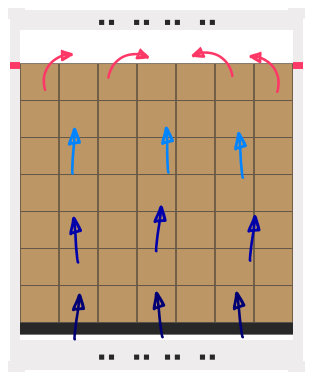
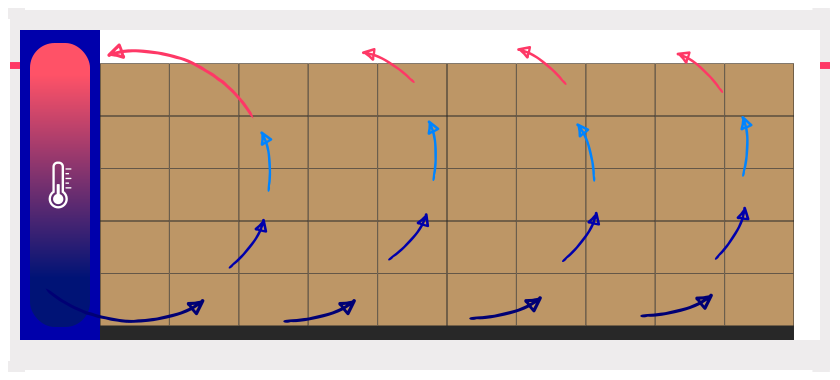
Reefer containers are designed to maintain a consistent temperature through controlled airflow. Cold air circulates beneath and around the cargo before returning to the refrigeration unit.

If the airflow is blocked or uneven, parts of your shipment may experience temperature fluctuations, creating hot spots that can compromise the cargo.

If you are not loading correctly, the consequences could be:

  • Product spoilage

  • Condensation damage

  • Reduced shelf life

  • Increased energy consumption

  • Cargo claims and financial losses

Reefer containers maintain temperature – they do not cool your cargo

Blue Water’s specialist, Tanja Rægaard Jensen, has advised many customers on the importance of correct loading.

“One of the most common misconceptions in reefer logistics is that the container cools down warm products. In reality, reefer containers are designed to maintain the temperature of already pre-cooled cargo”, says Tanja Rægaard Jensen, Director of Business Change Reefer Sea at Blue Water.

Before loading, products should therefore be stored and handled at the correct temperature to avoid unnecessary strain on the refrigeration unit and minimise the risk of temperature deviations during transport.

Airflow is key

To ensure efficient circulation:

  • T-floor channels should remain unobstructed

  • Cargo can never exceed the load lines

  • Return air vents must remain clear

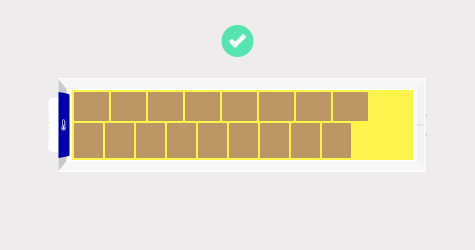
  • Cargo should not exceed the T-floor, either in the front or back of the reefer container

“When you ensure correct spacing, you are allowing the refrigerated air to circulate evenly throughout the shipment which helps maintain stable conditions from origin to destination”, adds Tanja Rægaard Jensen.
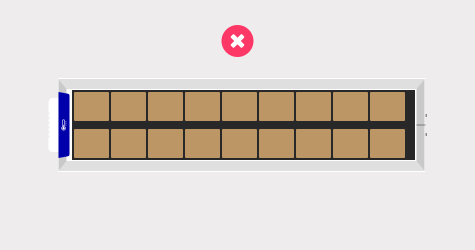
Minimise the risk of spoilage, losses and costly delays

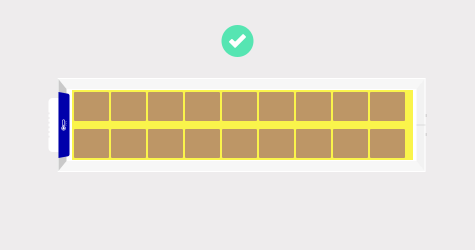
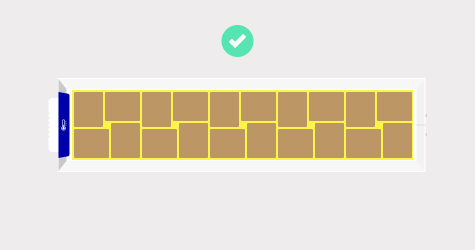
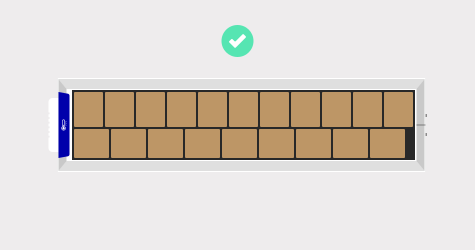
  • Cover the entire T-floor with pallets

  • Fill any gaps with cardboard or another suitable material to maintain proper airflow

  • Do not load on the baffle plate below the reefer unit. It ensures airflow through the T-floor

  • Blocking it can cause ice build-up and unstable temperatures

Different cargo requires different loading methods

Loading requirements vary depending on the type of cargo you are transporting.

Chilled cargo: Fresh produce and chilled goods often require airflow through the cargo to remove heat generated naturally during transport.

Frozen cargo: Frozen goods typically require airflow around the cargo to maintain a consistently frozen environment.

Understanding these differences is essential when planning reefer shipments and selecting the correct stowage method.

Common loading mistakes

Even small loading errors can affect cargo quality significantly.

Typical mistakes include:

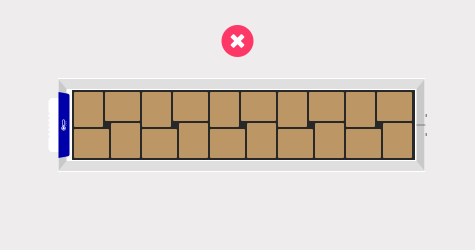
  • Exceeding load limits and t-floor

  • Blocking return airflow

  • Using damaged packaging

  • Ignoring ventilation requirements

  • No consideration of using generator during trucking to and from the port

Efficient loading procedures help preserve stable temperatures and reduce exposure to ambient conditions.

  • Never load above the marked load line marked inside the reefer container

  • Never push back the baffle plate in the front of the reefer container

  • Never load past the T-floor. If the airflow is blocked due to products touching the doors of the container, icing will occur causing risk of temperature damage

Inspection and monitoring remain essential

Before every shipment, reefer containers should be inspected carefully to ensure they are ready for transport.

This includes checking:

  • Temperature settings

  • Door seals

  • Floor channels

  • Drainage systems

  • Refrigeration unit performance

Temperature monitoring throughout transit can also help identify potential issues early and provide additional security for sensitive cargo.

Supporting an unbroken cold chain

At Blue Water, our reefer specialists work closely with customers to ensure temperature-sensitive cargo is handled according to industry best practice – helping protect products every step of the way.

Read more about our services here

Blue Water Shipping provides these guidelines for reference only and does not assume responsibility for the stuffing or condition of cargo inside the container. Proper loading and compliance with regulations remain the responsibility of the shipper.

Meet our expertTanja Rægaard Jensen 160X160 Px

Name: Tanja Rægaard Jensen
Title: Director of Business Change Reefer Sea
Area of expertise: Reefer logistics

Tanja Rægaard Jensen has more than 10 years of experience in freight forwarding. Prior to that, she gained experience shipping temperature-controlled goods within the food industry. Today, she is part of Blue Water's experienced Reefer Sea team based in Aalborg, Denmark. As Director of Business Change for Reefer Sea, Tanja is responsible for the operation of Reefer Sea freight and a team of 25 dedicated forwarding agents. She drives business change through process optimisation and innovative ways of improving how we work across the organisation.