
What does freight cost?

Whether you are sending goods by road, sea, air, rail or courier, price is often the deciding factor. Freight rates are shaped by supply and demand - when capacity is tight, costs rise. Global market shifts, crises, conflicts, wars and natural disasters can also send prices soaring overnight.

In short, many factors influence what you pay to move goods from A to B. In this post, we will explain the most common ones.

Which factors affect your freight rate?

Cargo volume and size

The size and volume of your shipment will always play a key role in determining the cost of transport. For air freight, the cost per kilogramme usually drops as the shipment size increases. For courier services, weight and dimensions are especially important, as these solutions are designed to handle everything from small parcels to bulky packages quickly and reliably.

When it comes to road transport, freight rates are often calculated using load metres - a measure of how much space your cargo takes up in the truck’s hold.

Read more about loading metres and calculation method

Container type

When shipping by sea, the type of container you choose affects the freight cost. If your cargo includes special equipment - like oversized items or goods with unusual dimensions - you may need a container with unique specifications. For instance, an open-top container often costs more because you are paying for extra space that cannot be fully utilised.

Your freight rate will also depend on whether you are shipping a Full Container Load (FCL) or a Less than Container Load (LCL).

Read more about container types and sizes
Read more about FCL and LCL shipments

The Shanghai Containerised Freight Index (SCFI)

The SCFI is the world’s most widely used benchmark for ocean freight rates. It shows the average cost of shipping a 40-foot container from a major Chinese port to a main European port — currently around USD 4,200.

However, this rate can fluctuate significantly and does not include local costs at the departure or destination ports, such as loading and handling fees. Final prices can also vary depending on your logistics partner’s purchasing agreements and shifting supply and demand.

Read more about the Shanghai Containerised Freight Index

Transport distance, destination and delivery speed

The distance between origin and destination naturally affects your freight costs. If you are shipping large volumes over long distances, sea freight is often the most cost-effective choice. But if speed is critical, air freight or courier services may be a better fit - though they usually come at a higher price.

Air freight  Sea freight Road transport Rail transport
Best for urgent or high-value shipments. Fast but more expensive, with a higher environmental impact. Most economical and has the lowest environmental footprint. Ideal for larger volumes and less time-sensitive cargo. Flexible option for land transport - great for shorter distances and last-kilometre delivery. Good alternative for long distances with lower CO₂ emissions, but routes are fixed and less flexible.


Fuel and oil surcharges

Fuel and oil surcharges make up a significant part of the total freight cost. These surcharges are variable and typically adjusted each month based on market supply, demand and fluctuations in global oil prices - all of which directly affect freight rates.

For road transport and air or courier shipments, fuel costs can account for about one-third of the total freight price. Sea freight also includes an oil surcharge, but the rate can vary between shipping companies.
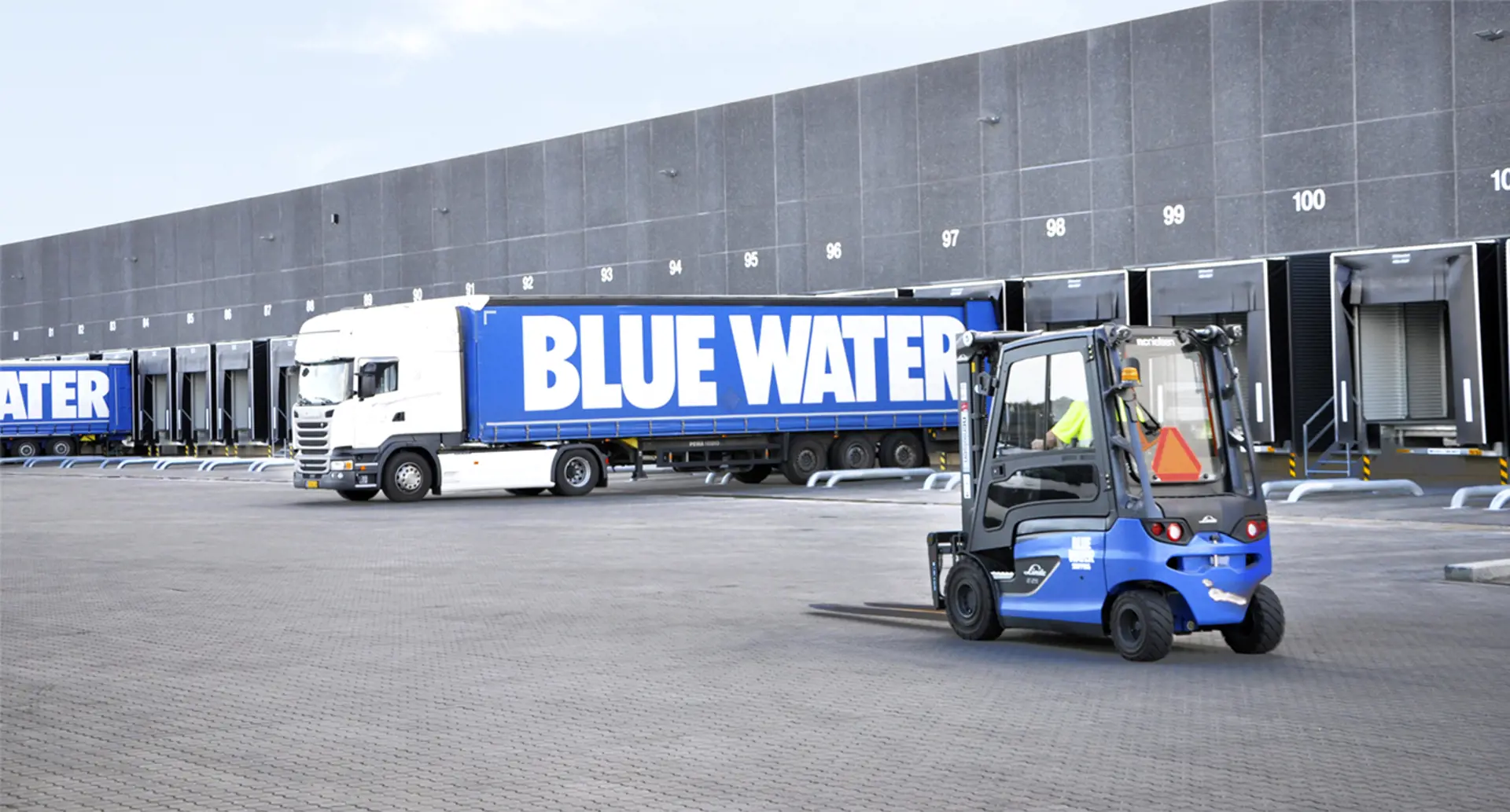
Road taxes

For road transport, prices are influenced by road taxes in each country. These taxes depend on the type of vehicle and the distance travelled - the lower a truck’s CO₂ emissions, the lower the tax.

Road tax rates are set by governments and often based on the EU standard of the truck and its emissions. Rates vary from country to country and are regularly adjusted.

Incoterms

Incoterms affect both the shipping process and the total transport cost. These international rules define the roles and responsibilities of the seller and the buyer - including when the risk transfers and who pays freight, insurance and customs fees.

Having clear Incoterms in place builds trust in the transaction and reduces the risk of misunderstandings during shipping.

Read more about Incoterms

Surcharges and additional costs

When shipping goods locally or internationally, various surcharges and fees can be added to the freight price. These depend on factors such as the mode of transport, type of cargo and destination. Some surcharges are always part of the total freight cost, while others apply only under certain conditions.

Below are some common examples of surcharges and additional costs that can impact the final price:

  • Minimum cost: For small shipments, a minimum charge often applies. For example, in sea freight, if you are shipping less than one cubic metre, you will typically pay a minimum rate to cover basic handling, driving and the cargo’s density (weight and size).

  • Fuel and oil surcharge: Fuel surcharges are a major cost factor and vary by transport mode, as explained earlier. These charges fluctuate based on global oil prices and market conditions.

  • Dangerous goods surcharge: Shipping dangerous goods usually incurs extra local or national fees due to special handling requirements - including labelling, documentation and mandatory declarations. Dangerous goods are materials that pose risks to people, property or the environment during transport. Regulations vary by transport mode and cover packaging standards, quantity limits and which goods can be shipped together. Carriers must be informed in advance and must follow all safety rules. The surcharge depends on the type and level of risk.

    Read more about handling dangerous goods

  • Cross-border transport: When goods are shipped across borders - especially between continents or trade blocs like the EU - country- or region-specific surcharges often apply. For example, shipments between the EU and the UK are currently subject to a Brexit surcharge due to extra documentation and customs clearance requirements.

    Read more about Brexit's impact on freight

Please note that many different surcharges may apply depending on your shipment and transport type. To learn more, click here or reach out to your local Blue Water contact.

Peak seasons

Freight rates can vary depending on the time of year your goods are shipped. During peak seasons, rates are often higher than usual due to increased demand, and a Peak Season Surcharge (PSS) may be added to your freight costs.

These surcharges typically apply during busy shipping periods, such as public holidays, major shopping seasons or other events that drive up freight volumes.

Examples of common surcharges and fees

Currency Adjustment Factor (CAF) covers major negative currency fluctuations. This surcharge is calculated as a percentage of the main freight rate, set monthly by shipping companies, and mainly applies to sea and road transport.

War Risk surcharge applies if goods are transported through areas affected by war, conflict or civil unrest. This fee covers additional insurance to protect against loss or damage caused by acts of war. For example, it can be added to air freight rates for shipments travelling to, from or through risk zones.

Bunker Adjustment Factor (BAF) is added to cover fluctuations in global fuel prices. Shipping companies apply this fee to adjust for changing fuel costs in volatile markets.

Sulphur Emission Control Area (SECA) surcharge covers costs associated with limits on sulphur emissions from ships. It is designed to help reduce pollution. Read more about SECA

Want to know more?

If you have any questions or would like to know more, feel free to reach out to your local Blue Water contact or use this form. We are here to help.

  • Nordic LCL services opening the door to the US

    Looking to test the US market without booking full containers? Or do you run an e-commerce business that needs reliable door-to-door solutions for customers across the United States?

  • How Blue Water moves mega shipments

    Wind turbines, oil rigs and cargo you’d never believe could be moved. Mega transports demand true specialist expertise – and Poul Henning Nielsen is one of the minds behind Blue Water’s global port engineering team.